

Introduction
Every business decision today depends on data. Data is always moving between systems like ERPs, CRMs, cloud platforms, APIs and warehouses. This creates a lot of opportunities for inconsistencies. Even a small mismatch can distort reports, delay decisions and lead to business errors. This is why automated data reconciliation has become essential for enterprises.
The scale of the problem is well documented. Research by Gartner puts the cost of poor data quality at $12.9 million per organization each year. This is driven by inefficiencies, reporting errors and compliance risk. A study by IBM put the cost of bad data to the US economy at roughly $3.1 trillion. Either way the direction is the same: data validation has moved from a nice-to-have to a strategic necessity.
Manual reconciliation can no longer keep pace. By the time a discrepancy surfaces it has often already reached a dashboard or executive report. Automated Data Reconciliation solves this by monitoring data and flagging errors before they cause damage. This makes error detection a core capability for any data-driven enterprise.
What Is Automated Data Reconciliation?
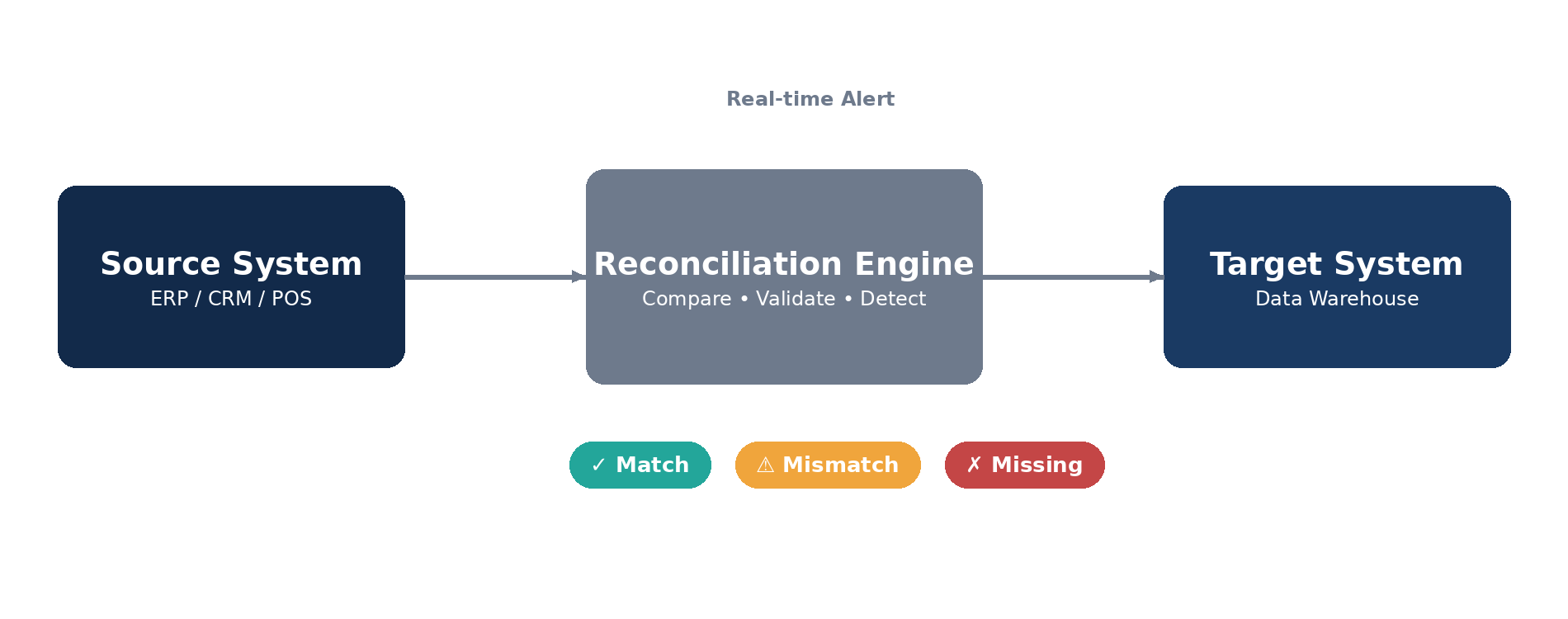
Automated Data Reconciliation is the process of comparing data between two or more systems without intervention. Modern AI-powered reconciliation platforms go a step further by analyzing trends, identifying unusual patterns and detecting anomalies that traditional rule-based validation may overlook.
The reconciliation process includes validating:
- Record counts
- Data completeness
- Missing records
- Duplicate entries
- Schema changes
- Data quality rules
- Business logic validation
- Source-to-target consistency
Unlike reconciliation, which runs on a fixed schedule, modern automation enables continuous monitoring. This means organizations can identify discrepancies immediately well before they compound into larger downstream issues.
Why Automated Data Error Detection Matters for Modern Businesses
Data errors are no longer a technical inconvenience. They directly affect business performance. Poor data quality can lead to:
Financial impact
- Incorrect financial reports: Unreconciled transaction or ledger data can misstate revenue, expense and margin figures.
- Revenue leakage: Missed or duplicated transactions and mismatched pricing data quietly drain revenue.
- Compliance violations: Inaccurate records can trigger reporting errors and fines.
Operational impact
- Inventory inaccuracies: When stock data drifts across warehouse, POS and e-commerce systems businesses end up overselling or misforecasting demand.
- Failed business intelligence dashboards: Dashboards are only as reliable as the data feeding them.
- Delayed executive decision-making: When leadership can't trust the numbers in front of them decisions get pushed back for verification.
Customer impact
- Customer records: Fragmented profiles across CRM and support systems lead to inconsistent communication and a disjointed customer experience.
- Poor customer experiences: Errors in billing order status or account data surface to customers.
- Erosion of trust and loyalty: Repeated errors compound over time making customers more likely to churn or leave reviews.
For example if an ETL job silently drops 5% of POS transactions daily revenue reports go wrong. Without automated detection no one notices until month-end reconciliation. In banking or healthcare the same kind of failure can create real compliance and customer-trust problems. Continuous monitoring closes that gap by surfacing the issue at the source.
Common Causes of Data Errors
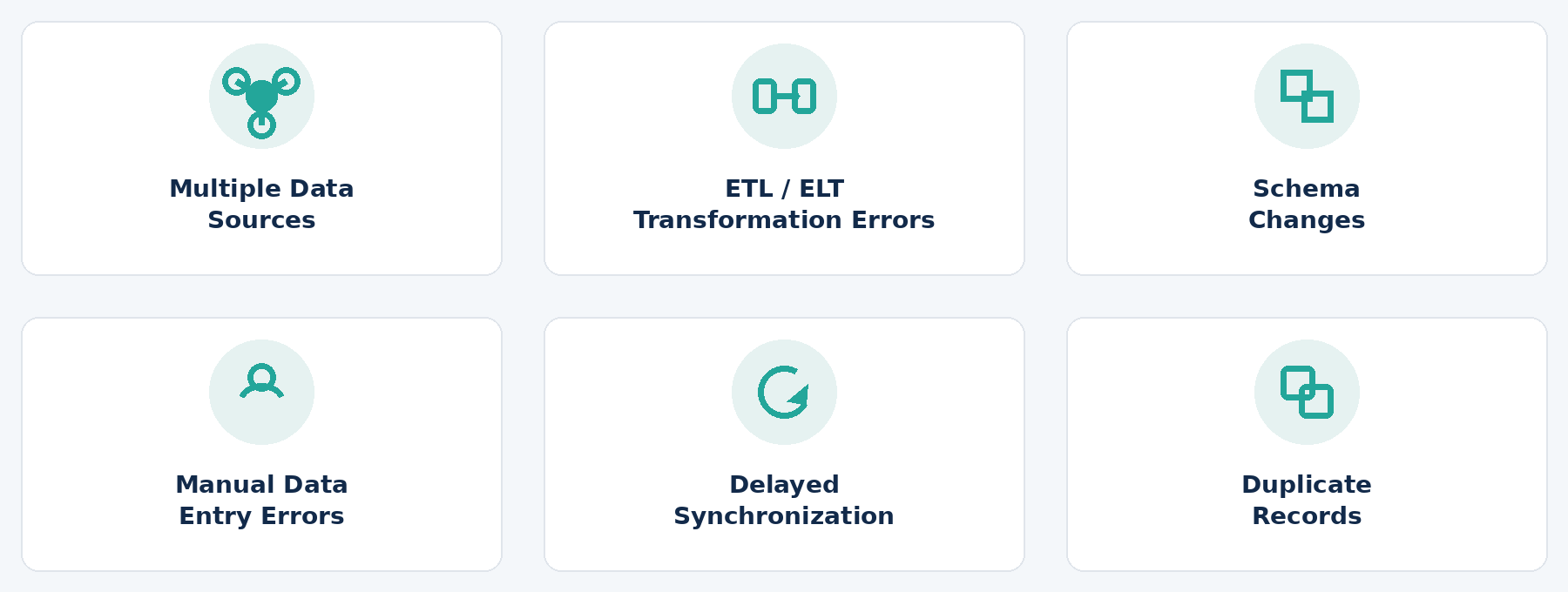
Understanding these root causes is the first step toward effective automated reconciliation:
- Multiple Data Sources: Organizations collect data from ERP systems, CRMs, cloud applications, databases, and APIs. Since each system follows different formats and update schedules, maintaining consistency across them becomes challenging, often resulting in mismatched or incomplete data.
- ETL / ELT Transformation Errors: During ETL or ELT processes, incorrect mappings, faulty transformation logic, or data conversion issues can accidentally modify, duplicate, or omit records. These errors reduce data accuracy and impact downstream reporting and analytics.
- Schema Changes: Changes such as renamed columns, new fields, or modified data types can disrupt data pipelines if downstream systems are not updated. This may lead to missing data, failed processes, or inaccurate reports.
- Manual Data Entry: Human errors such as typing mistakes, missing values, incorrect entries, or inconsistent formatting can reduce data quality. These inaccuracies often spread across multiple systems, making reconciliation more difficult.
- Delayed Data Synchronization: When connected systems update at different times, temporary or permanent inconsistencies can occur. Reports generated before synchronization is complete may contain outdated or incomplete information, affecting business decisions.
- Duplicate Records: Duplicate records often result from repeated imports, system integrations, or poor validation processes. They can distort analytics, increase storage costs, and create inconsistencies across customer, supplier, or product data.
How Automated Data Reconciliation Improves Data Error Detection
Traditional reconciliation often depends on sampling, spreadsheets or scheduled SQL scripts. While these methods may identify some discrepancies they are time-consuming, error-prone and difficult to scale.
Automated reconciliation transforms this process by validating data across systems.
Key capabilities:
Continuous Source-to-Target Validation
The system checks that all the expected records have been loaded completely and correctly from the source to the destination datasets. Mismatches — missing rows, fields that are too short, failed writes — are identified as they occur, immediately after the load that caused them, rather than days later as a batch job.
Historical Trend Analysis
Intelligent systems don't just look at the current data, they also look at the historical data and identify unusual increases or decreases. A single 40% increase in refunds or a day with no new signups may pass a simple rule-based check, but is clearly identified against weeks or months of baseline behavior, identifying issues that static thresholds would not.
AI-Powered Anomaly Detection
Machine learning models detect unusual activity that is not covered by rules, such as unexpected revenue increases, missing transactions, sudden declines in registrations, or unusual inventory movement. These models are trained to understand what "normal" behavior is for a given dataset, which means they can adapt as the seasonality and business patterns change, minimizing false alarms and missed errors over time.
Automated Alerts
If there are discrepancies that exceed a set threshold, alerts are sent instantly to data engineers and stakeholders via dashboards, email, or other platforms such as Slack or Teams. Severity and ownership routing ensures alerts remain actionable, with minor issues going to the data team and revenue-impacting mismatches going directly to decision makers.
Custom Business Rules
Teams can create validation rules that are specific to their industry, so the metrics that are most important to the business remain accurate — a healthcare provider may validate patient-record completeness, while a retailer may validate SKU-level inventory accuracy. This flexibility allows the platform to implement what is important for each business, rather than one-size-fits-all checks.
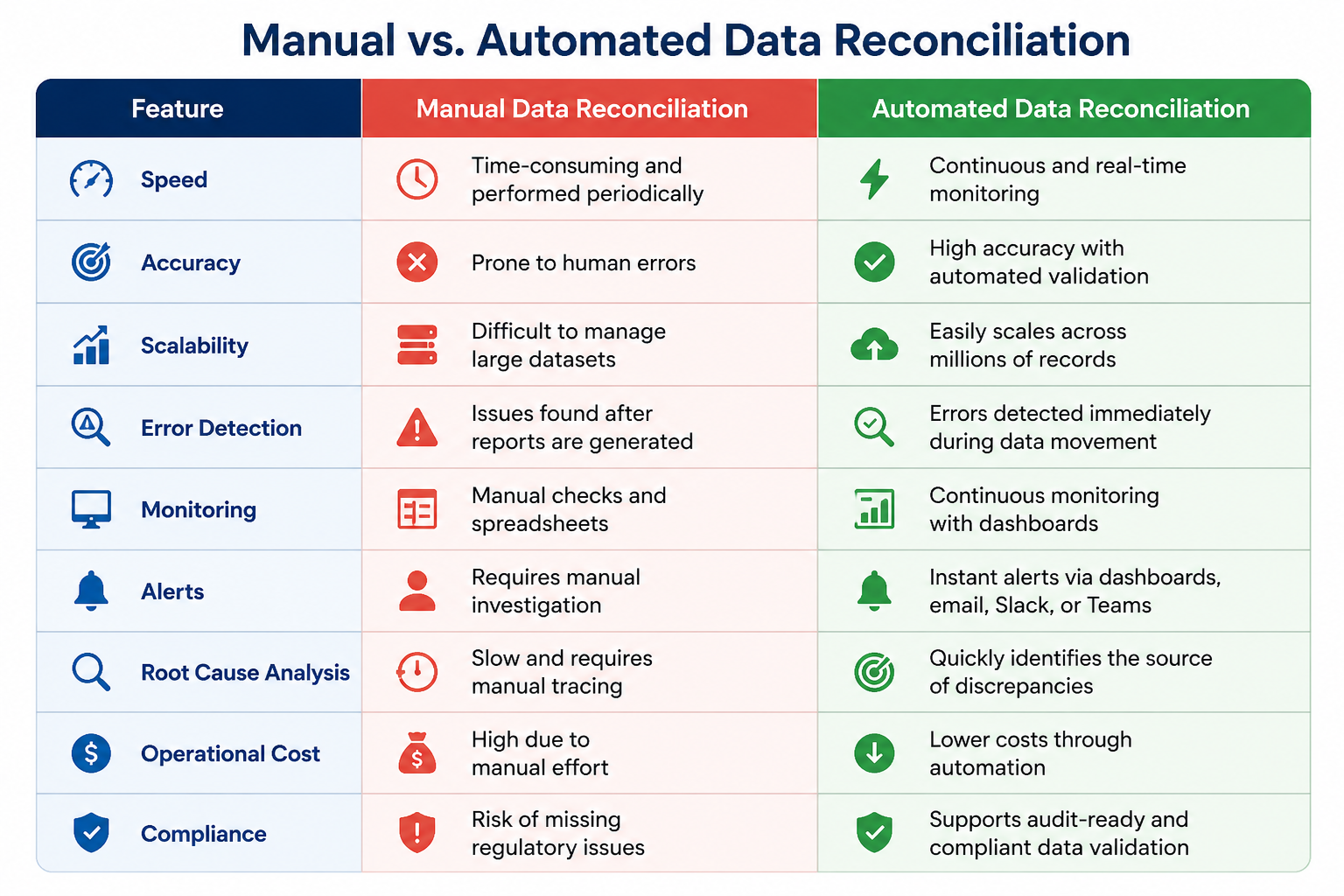
The following comparison highlights why organizations are increasingly replacing traditional manual reconciliation processes with automated, AI-powered reconciliation platforms.
Business Benefits of Automated Data Reconciliation
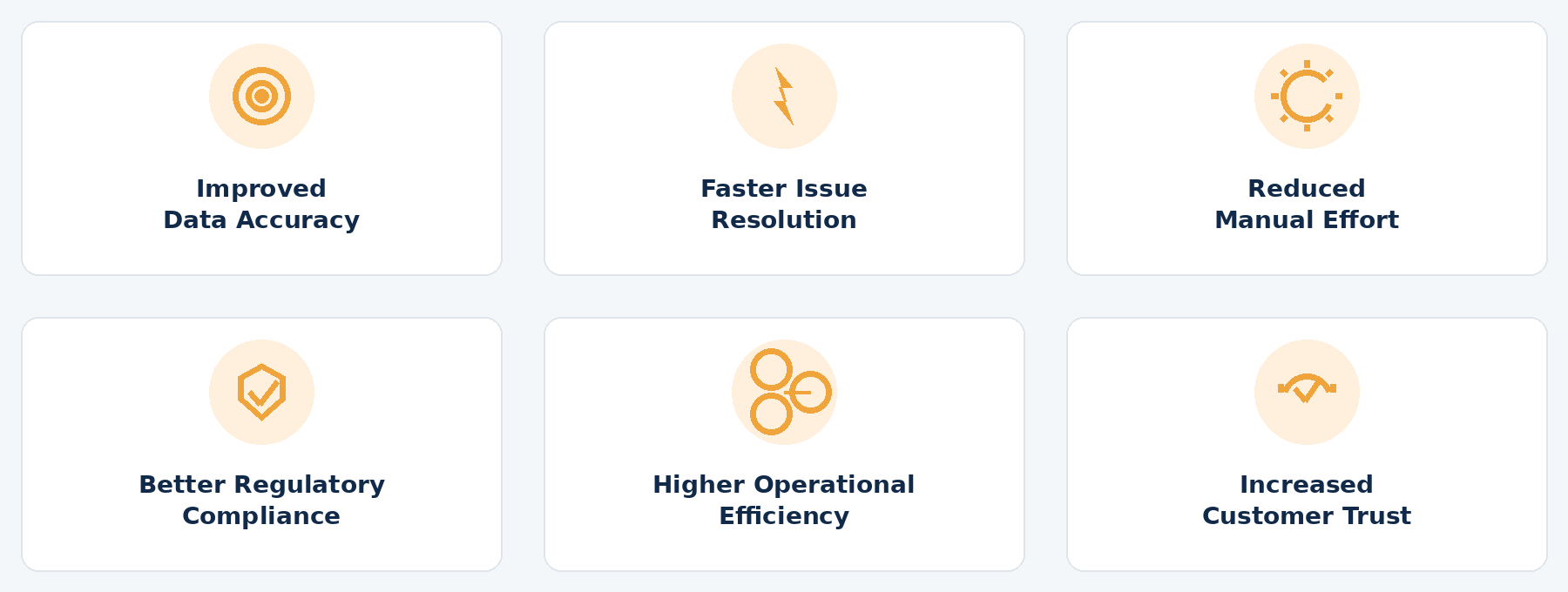
Improved Data Accuracy: Data is continuously validated for missing, duplicate and inconsistent data, which does not affect reporting. This guarantees accurate data for analytics, compliance and business decisions.
Faster Issue Resolution: Errors are identified at the point of occurrence rather than at a scheduled audit weeks later. This allows data teams to explore the cause of the problem before it reaches other systems.
Reduced Manual Effort: Automation removes repetitive tasks like report comparison, record validation and mismatches investigation. This enables data teams to concentrate on enhancing data quality and provide strategic business value.
Better Regulatory Compliance: Accurate and traceable records are generated automatically, which helps with regulatory and audit requirements. Inconsistencies are also identified early, which helps to minimise compliance risks and reporting errors.
Higher Operational Efficiency: When data is clean and flowing, teams are able to focus more time on forecasting, planning, and making decisions that drive the business forward, rather than firefighting data issues.
Increased Customer Trust: Standardized customer data enhances order processing, billing, and customer support, minimizing data-related mistakes. Providing accurate information across systems enables organizations to develop better customer relationships.
These benefits are already being experienced by organisations in a variety of sectors. Automated reconciliation helps banks ensure the accuracy of transactions and comply with regulations. Retail businesses ensure that inventory and sales information is accurate across various channels, and healthcare providers ensure that patient information is accurate in clinical systems. Insurers compare policy and claims to speed up claims processing and minimize operational mistakes.
How 4DAlert Uses AI to Automate Data Error Detection and Reconciliation
The capabilities above describe what modern data reconciliation should do. Here's what that looks like in practice. As data environments become more distributed, enterprises need one platform that continuously validates data across every system. 4DAlert is an AI-powered platform for Data Reconciliation, Data Quality and Data Observability. Monitoring data movement, detecting discrepancies and alerting teams before issues reach the business.
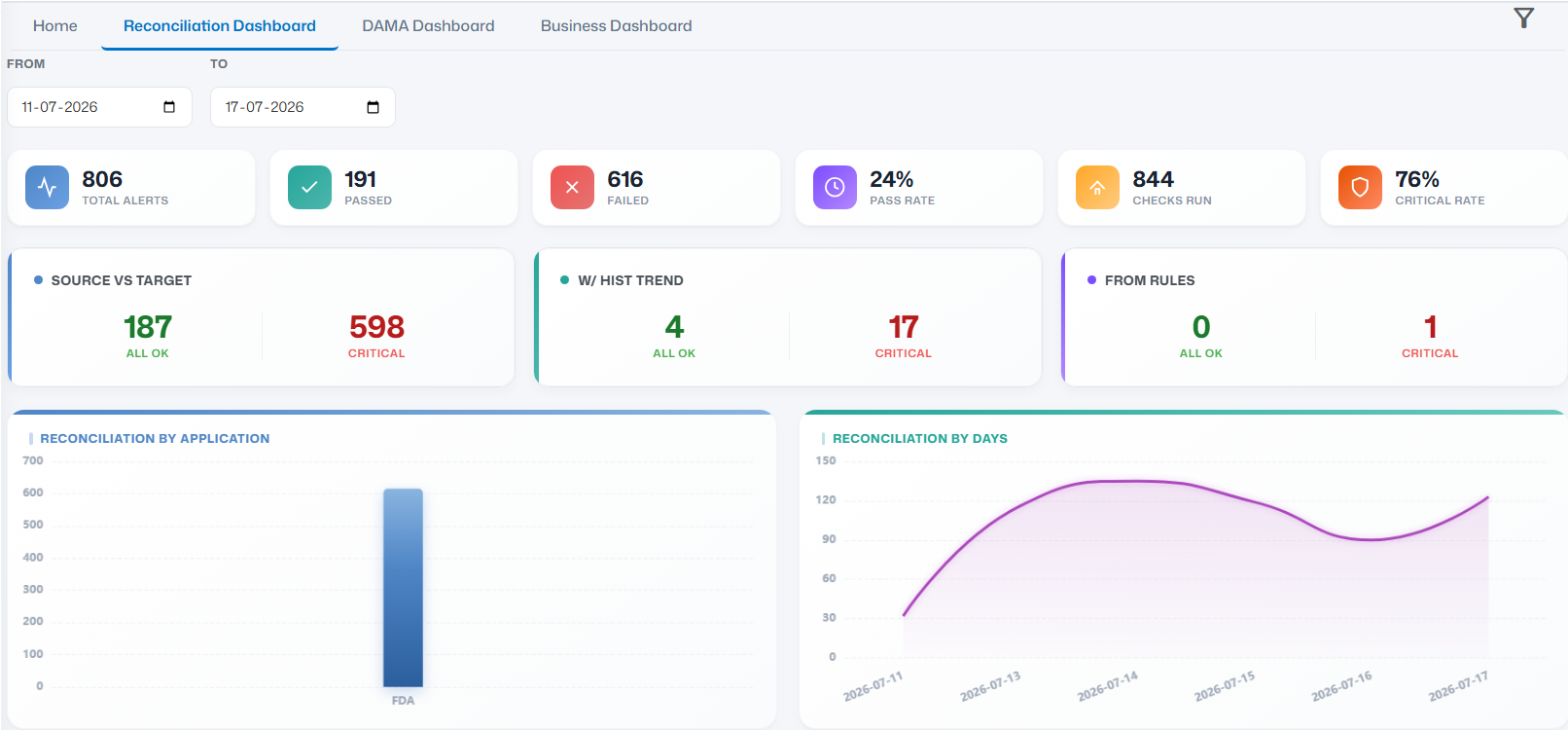
Automated Source-to-Target Reconciliation
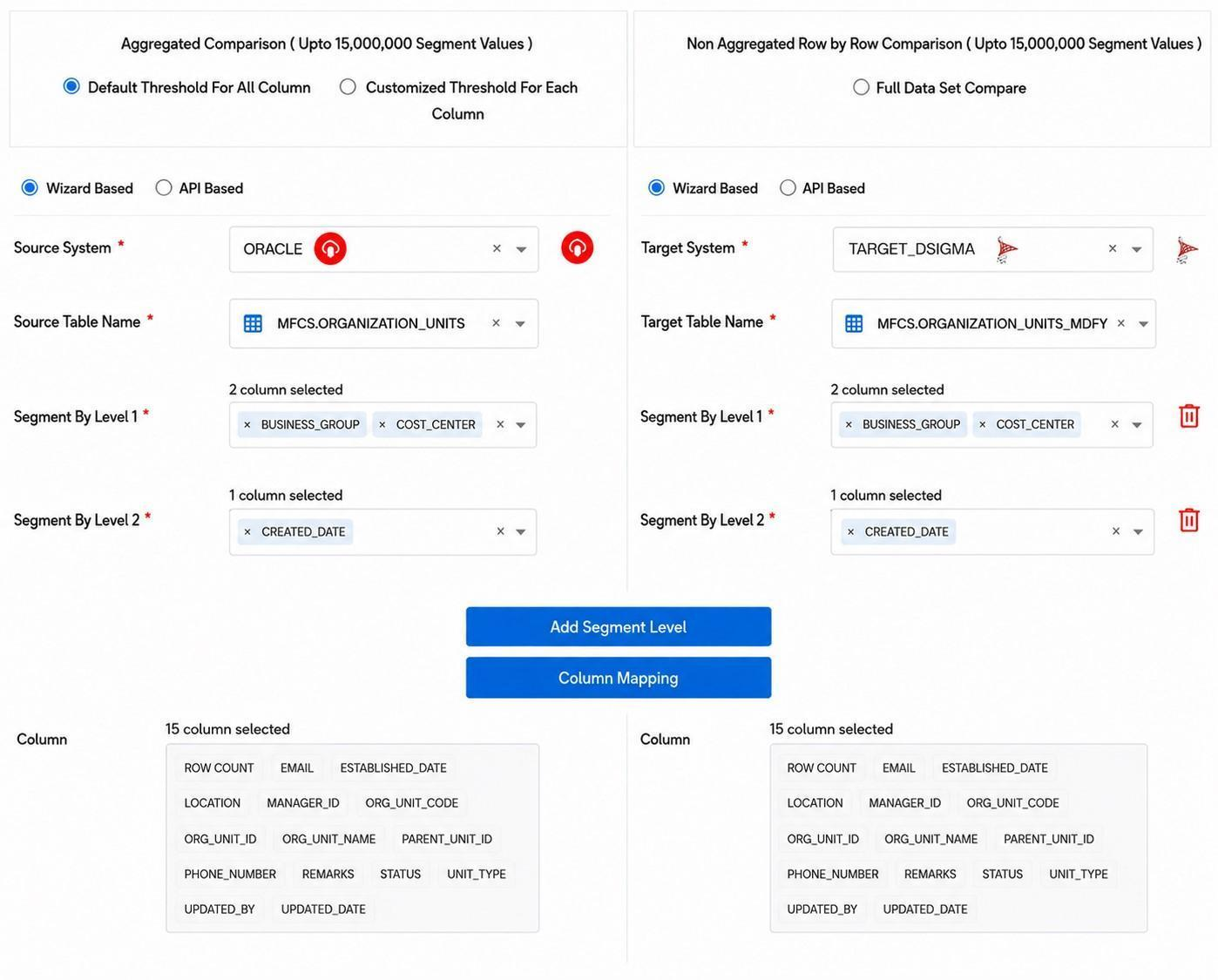
4DAlert automatically compares data between source and target systems after every load identifying missing records, duplicates, mismatches, transformation errors and synchronization issues. With no manual checking required.
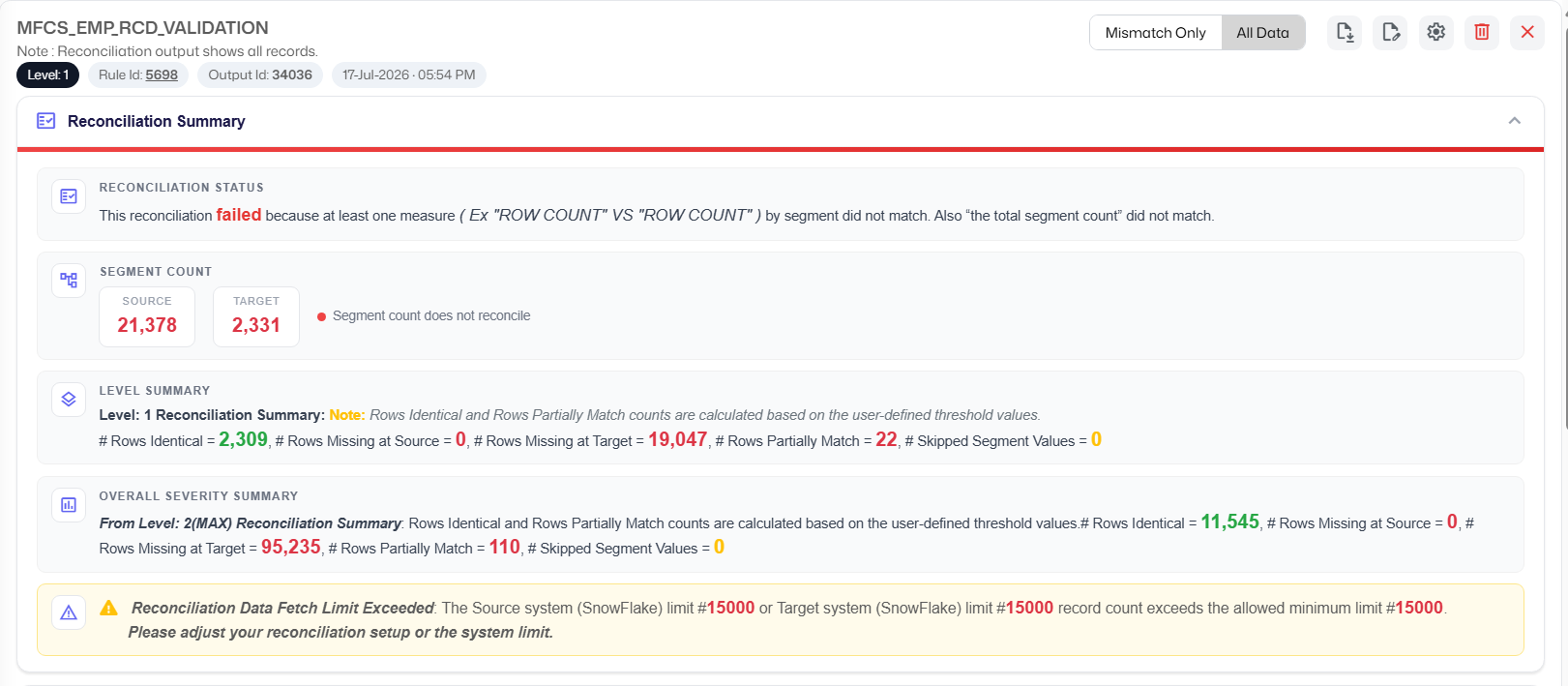
AI-Powered Data Error Detection
4DAlert also compares data from different systems like ERP systems, cloud platforms, data warehouses and business applications. It uses intelligence to find hidden mistakes and synchronization issues that are hard to catch by hand.
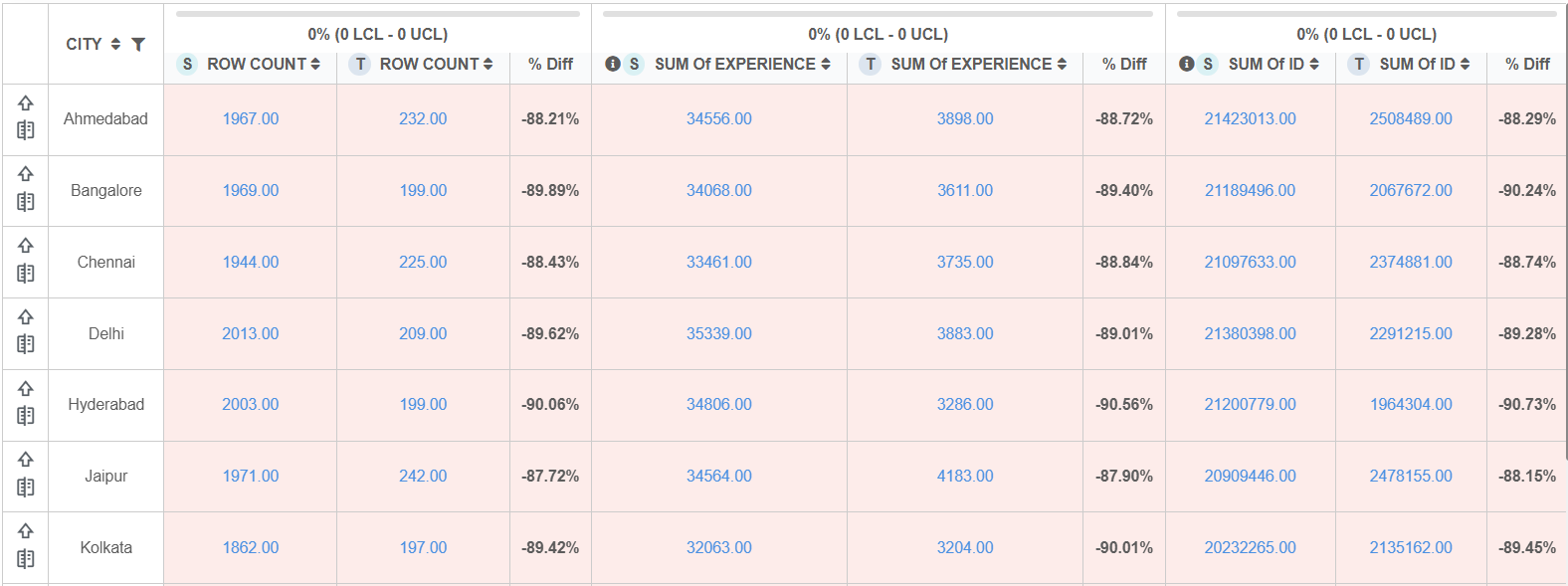
Cross-System Data Comparison
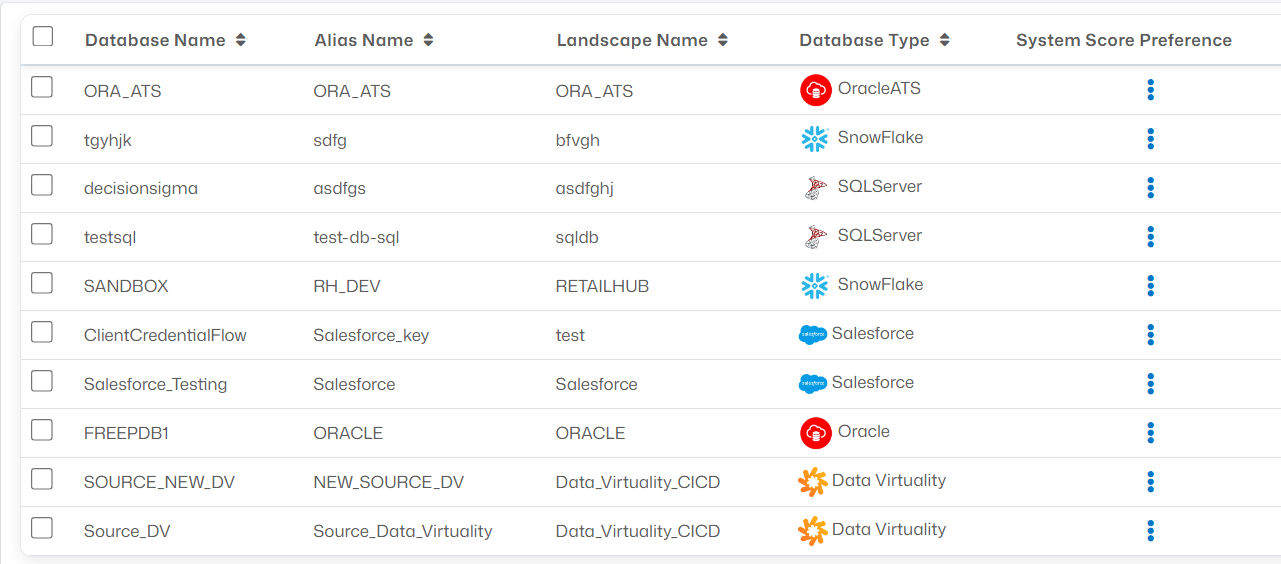
4DAlert can connect to different enterprise databases, cloud platforms and analytics environments. By connecting all these systems organizations can make it easier to reconcile data improve visibility and keep data consistent across the company.
Real-Time Alerts and Observability
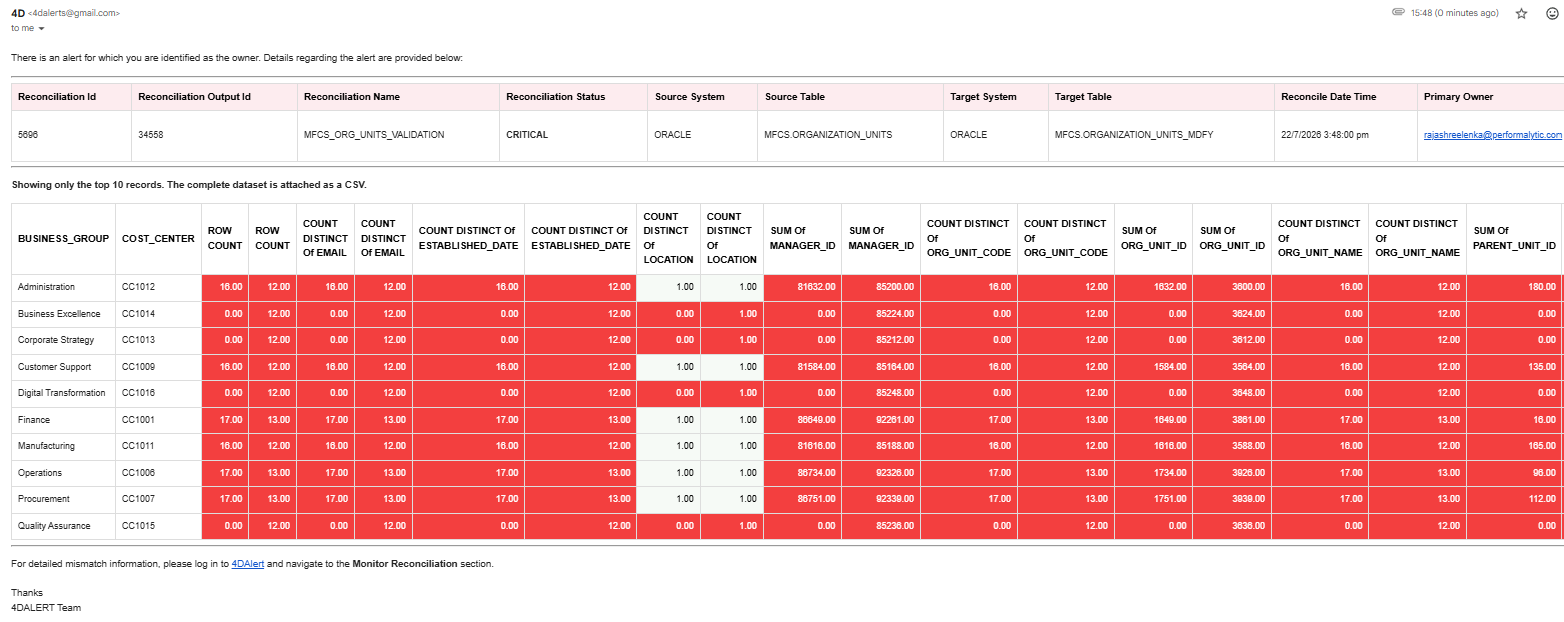
When 4DAlert finds mistakes it sends out real-time alerts and updates dashboards so data teams can see what is going on. This helps them fix problems faster and figure out what is causing them.
Enterprise-Scale Integration
All these features help companies save money, fix problems faster, and trust their data more. 4DAlert catches mistakes early so teams do not have to spend a lot of time looking for them at the end of the month.
Conclusion
Organisations cannot afford to find out about data mistakes after reports are already made or decisions have been taken. As data gets bigger and spreads across systems the old way of checking data by hand at regular intervals just does not work anymore. By the time a mistake is found it has already affected a report, forecast or customer interaction. 4DAlert changes this by using intelligence to continuously check for mistakes, keeping data accurate and trustworthy across all connected systems.
By combining intelligence, real-time monitoring and smart reconciliation, 4DAlert helps companies reduce risks, improve reporting accuracy and make faster decisions. The result is not just fewer mistakes, but also cleaner audits and teams that spend less time dealing with bad data and more time using good data. As data gets more complicated, automated reconciliation is no longer optional. It is necessary for running the business.
FAQ
1. What is Automated Data Reconciliation, and why is it important?
Automated Data Reconciliation is the process of automatically comparing data across multiple systems to identify missing records, duplicates, inconsistencies, and transformation errors. It helps organizations improve data accuracy, reduce manual effort, ensure regulatory compliance, and prevent reporting errors before they impact business decisions.
2. How does AI-powered Automated Data Reconciliation detect data errors?
AI-powered Automated Data Reconciliation uses machine learning and anomaly detection to identify unusual data patterns that traditional rule-based methods often miss. It continuously validates source-to-target data, monitors historical trends, detects anomalies, and sends real-time alerts, enabling faster issue resolution and improved data quality.
3. What are the common causes of data errors in enterprise systems?
Data errors commonly occur due to ETL/ELT transformation issues, schema changes, duplicate records, manual data entry mistakes, delayed data synchronization, and inconsistencies across multiple data sources. Automated Data Reconciliation helps identify and resolve these issues before they affect analytics, reporting, or customer experiences.
4. What are the business benefits of Automated Data Reconciliation?
Automated Data Reconciliation improves data quality by continuously validating data across systems. Key benefits include increased reporting accuracy, faster error detection, reduced manual reconciliation efforts, better compliance, improved operational efficiency, and greater confidence in business decisions.
5. How does 4DAlert automate data reconciliation and error detection?
4DAlert automates source-to-target data reconciliation by continuously comparing data across enterprise systems, detecting discrepancies with AI-powered analytics, monitoring data quality in real time, and generating instant alerts. This enables organizations to identify data issues early, maintain trusted data, and improve overall operational performance.